The path into esports is exciting, but the practical expenses are easy to underestimate.
A lot of people think about esports through the lens of talent.
Can you win? Can you rank up? Can you stream? Can you build an audience?
Those questions matter, but they leave out something important. Becoming serious about esports often comes with real costs before any meaningful money comes back.
That does not mean people should avoid pursuing it. It means they should understand what they are getting into.
The Setup Comes First
A serious esports setup usually starts with reliable internet and dependable equipment.
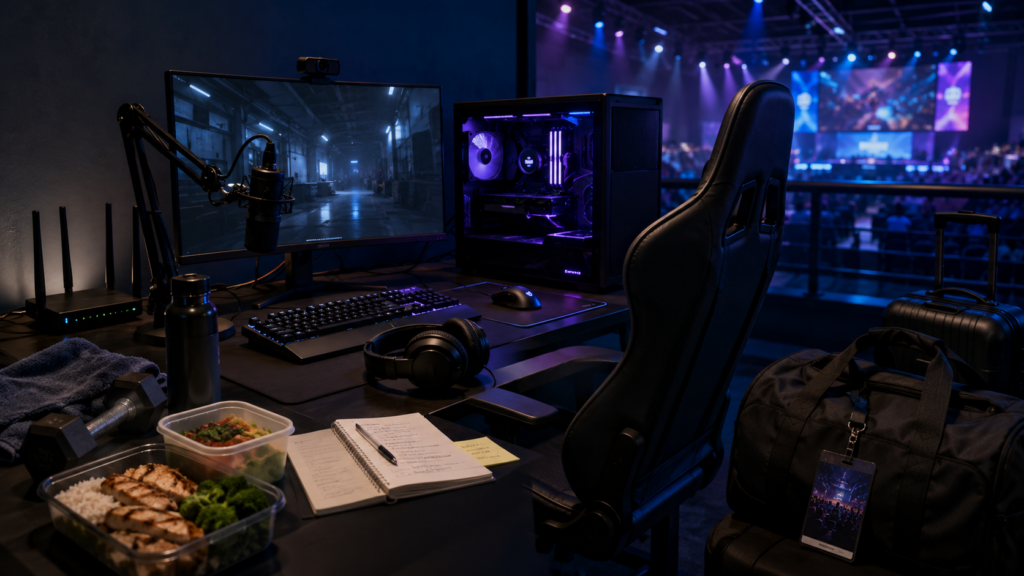
That means more than simply having Wi-Fi and a computer that turns on. Players and streamers often need high-speed internet, unlimited data, stable upload speeds, a capable PC or console, quality peripherals, software, games, monitors, a headset, microphone, webcam, and a comfortable desk and chair.
None of those items guarantee success.
They simply remove unnecessary barriers.
For a more structured breakdown of what aspiring players and streamers should prepare for, NEST’s video course on becoming an esports professional walks through setup, branding, contracts, and long-term planning.
A player who constantly disconnects, drops frames, or struggles with poor audio is fighting problems that have nothing to do with skill.
Health Is Part of the Investment
Esports can look physically easy from the outside because players are sitting down.
In reality, long sessions can affect sleep, posture, diet, focus, stress, and overall health.
Anyone trying to take esports seriously should think about fitness, nutrition, regular movement, and recovery. This could mean gym costs, better food planning, physical therapy, ergonomic equipment, or simply building healthier habits around training.
Ignoring health may not matter immediately, but over time it can affect consistency and performance.
Travel and Logistics Add Up
Competing or networking in esports can also involve transportation, hotels, food, clothing, protective equipment for hardware, and event-related expenses.
Even online players may eventually need to attend local events, bootcamps, tournaments, conventions, or team meetings.
The further someone goes, the more logistics start to matter.
Professionalism Has a Cost Too
Branding, marketing, websites, graphics, content creation, and social media all require time. Sometimes they require money.
A player or streamer who wants to be taken seriously needs more than good gameplay. They need to communicate clearly, present themselves professionally, and create something people can understand and remember.
For players, parents, and aspiring streamers who want a more structured walkthrough, NEST’s video course on becoming an esports professional covers expectations, branding, contracts, and planning ahead in more detail. You can also learn more about National Esports Tournament at www.nesthq.ca.
Esports can be a real opportunity.
It becomes easier to pursue when you treat it like a real project.